Relationship-Based Care in Homecare: Why Seeing the Same Faces Matters
In home care, the how matters just as much as the what. A visit can be clinically correct but leave someone feeling unsettled, if it’s rushed, unfamiliar or all business.
Relationship-Based Care (often called relationship-based practice) flips the focus from ticking off tasks to building genuine, steady connections between carers, clients and families. Over time, consistency creates trust, rapport and empathy, which is often where the best care outcomes start.
Continuity of Care sounds like a buzzword-y phrase. In reality, it’s the everyday comfort of recognising the person at the door.
For UK home care agencies, this person-centred approach helps clients feel safe and understood. They’re much more likely to communicate openly, accept support and stick with routines that protect their health and independence.
What is Relationship-Based Care and Why Does it Improve Outcomes?
Relationship-based care is essentially where home care agencies prioritise consistent carer-client matching and strong communication with families. Instead of concentrating purely on tasks, it looks at the whole person: their preferences, routines, emotional wellbeing and what matters to them day-to-day.
This shift helps carers notice patterns and changes sooner, reduces anxiety for clients and strengthens cooperation with care plans. It also means safer care delivery because familiarity makes it easy to spot when something is not quite right and act quickly.
In short, care becomes more personal, consistent and responsive, which can improve quality of life for clients and give families greater peace of mind.
Benefits include:
- Stronger trust and openness between client and carer.
- Better understanding of routines, preferences and communication needs.
- Earlier recognition of changes in mood, mobility, appetite or confusion.
- Clearer updates for families, especially when needs change.
- More stable care delivery with fewer avoidable carer swaps.
- Reduction in unexpected hospital visits and increased overall happiness for clients and caregivers.
The Three Key Relationships: the Foundation of Trust, Empathy and Better Care
Relationship-based care works best when agencies actively support the Three Key Relationships, rather than leaving them to chance.
- The relationship between the carer and the care client: When the same carers visit regularly, they learn about the person behind the care plan. Things like recognising their morning routine, noticing what helps them feel confident with personal care, or spotting small changes that could signal illness or a dip in wellbeing. Familiarity reduces anxiety, particularly for people living with dementia, frailty or low confidence after a hospital stay. It also helps preserve dignity when care feels less like an intrusion and more like supportive teamwork.
- The relationship between the carer and the family: Families often carry worry, guilt or pressure, even when care is going well. Consistent carers build reassurance because they can share meaningful, accurate updates and answer questions without guessing. When a family member sees the same names on the rota, they’re less likely to chase issues or repeat the same concerns. Steady communication supports better decisions because everyone has the same understanding.
- The relationship between the agency and the care team: A relationship-led approach needs coordination that values people and patterns, not just coverage. Care managers and coordinators set the tone by how they plan schedules, handle changes and back carers to do their job well. If caregivers are constantly being moved around, even the most compassionate team will struggle to build trust. If they’re supported with realistic travel time, consistent information and stable client matching, it’ll be easier to provide calm, confident care.
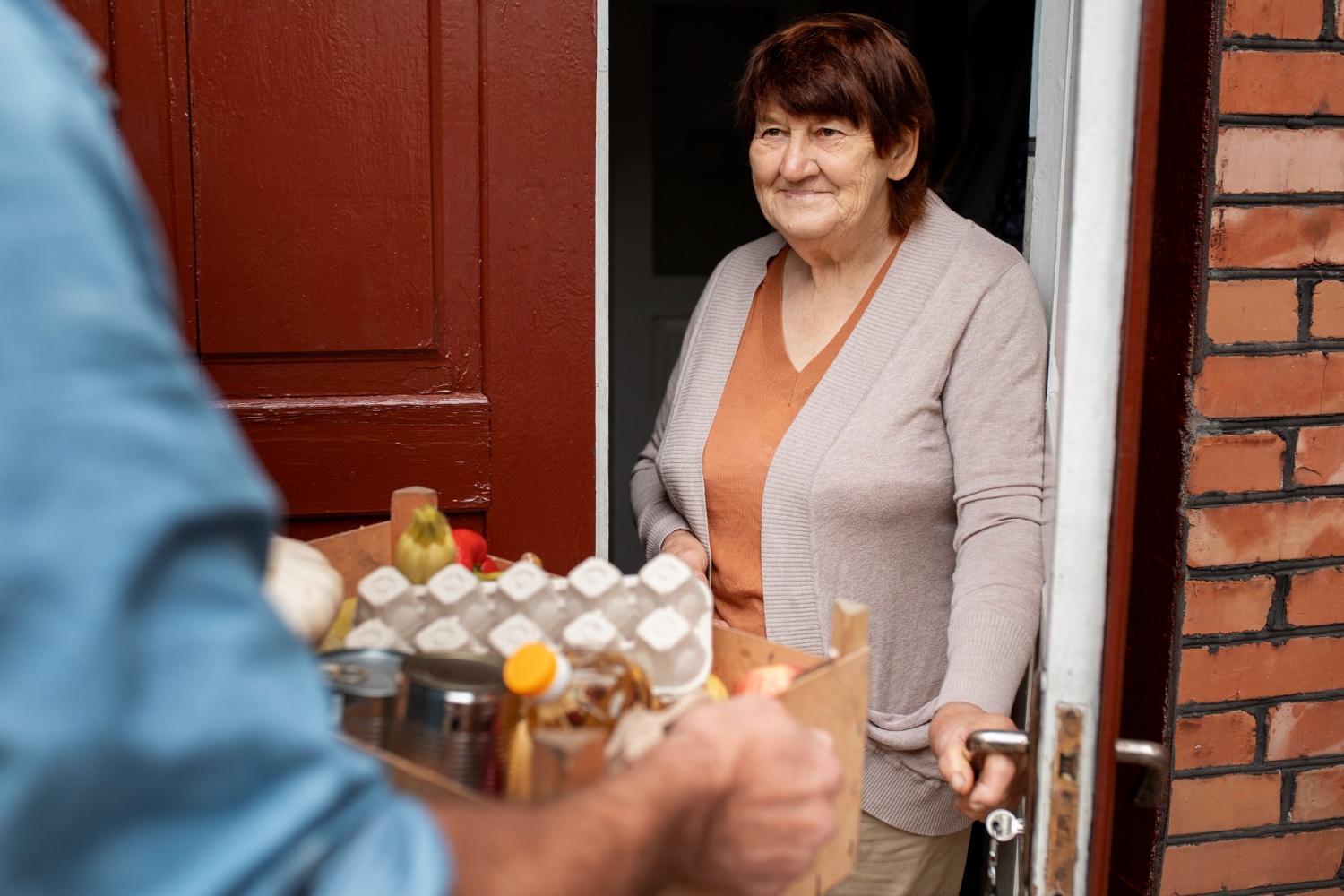
What is a Humanistic Approach to Care?
The humanistic approach to care recognises the whole human being. It values choice, identity, emotions, relationships and autonomy, and involves listening, respecting preferences and working with the client rather than doing things to them.
A similar model is holistic care which supports physical needs alongside mental emotional, social and spiritual ones, shaped around the person’s life and wellbeing.
In home care, these details show up in practical ways. For example:
- Knowing a client prefers a male carer for personal care.
- Understanding someone becomes anxious when visits are late, so timing matters.
- Recognising loneliness is affecting appetite and motivation.
- Remembering a client values independence and wants support to do things with you and not everything done for them.
- Knowing how a family prefers updates, whether that’s quick notes, a call or a shared record.
When carers and clients have a real relationship, these preferences are easier to manage. If agencies treat rotas as purely operational, personalised care becomes harder to consistently maintain.
Continuity of Care: How to Protect Relationships When Rotas Change
It’s normal for homecare agencies to juggle availability, sickness, holidays and last-minute changes. The issue is not that adjustments happen but when changes become constant and clients lose that steady thread of familiarity. Continuity of care is what stops each visit feeling like a reset. It protects trust, reduces stress and improves communication, which in turn directly influences safety and wellbeing.
A practical way to manage continuity is to build small, consistent care teams around each client, rather than a long list of possible carers. When a client sees the same two or three carers every week, that supports relationship building.
Agencies can prioritise “compatibility matching” when possible, looking at location, skills, communication style and personality fit. Rotas are about people, not just slots, so planning needs to reflect that. Domiciliary care rota software and home care software can make a real difference here. The goal is to plan smarter, so relationships are protected wherever possible.
Good systems can help:
- Highlight continuity levels, showing how many different carers a client sees.
- Keep consistent care notes so carers don’t ask the same questions.
- Record preferences clearly, so personalised support is easier to deliver.
- Support better communication with families when visits change.
- Reduce admin pressure on coordinators so they can plan with care quality in mind.
When scheduling tools support continuity, care teams spend less time firefighting and more time focusing on the person.
Next Steps for Homecare Agencies
Relationship-based care is a reliable way to improve day-to-day experiences for clients, strengthen confidence for families and support carers to do meaningful work. It brings the human side back through trust, rapport, continuity and naturally aligns with a person-centred approach.
If you want to strengthen care continuity and support relationship-led visits without making your coordinators live in rota chaos, TagCare’s all-in-one homecare software can help.
Book a no-obligation demo by calling 01254 819205 and speak to the team about how relationship-based care can be put into practice.





 Innovative
  Trusted by hundreds of homecare companies to help the homecare frontline, to care better.